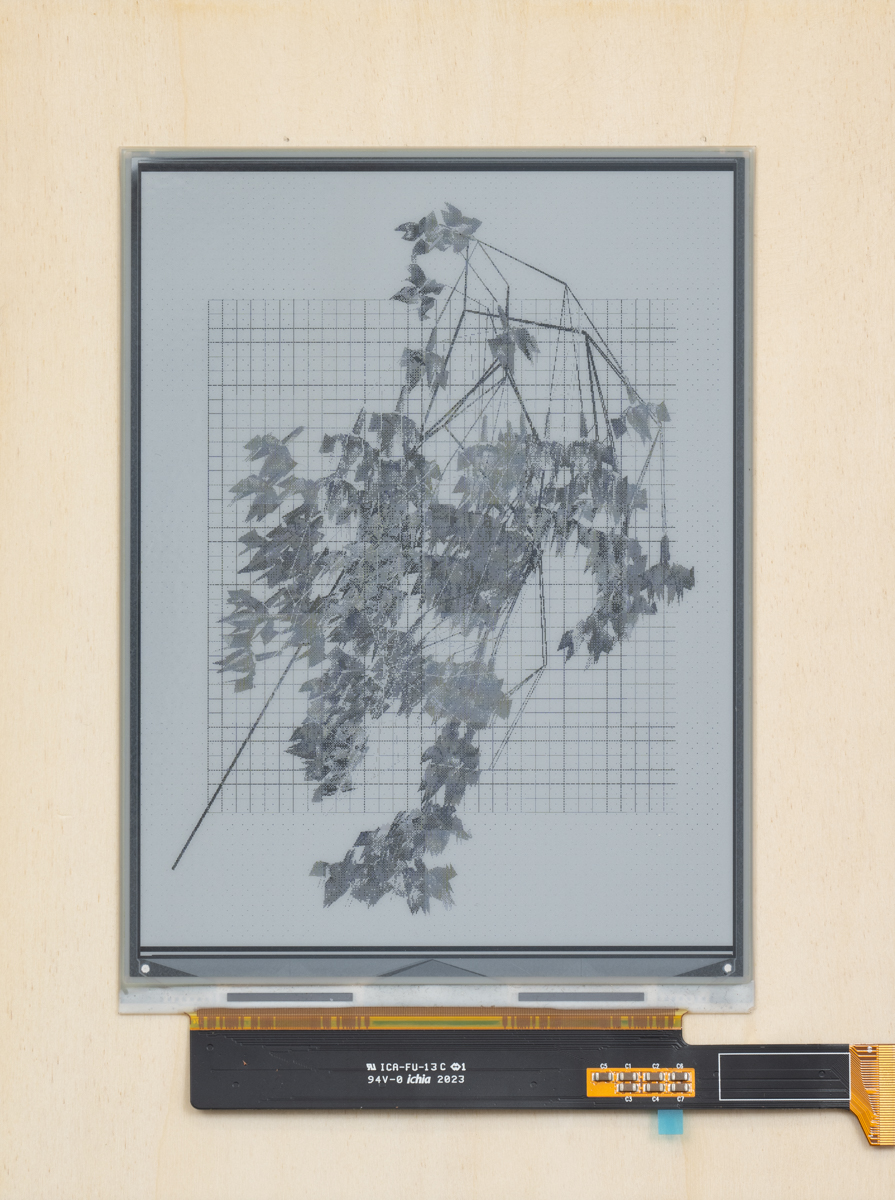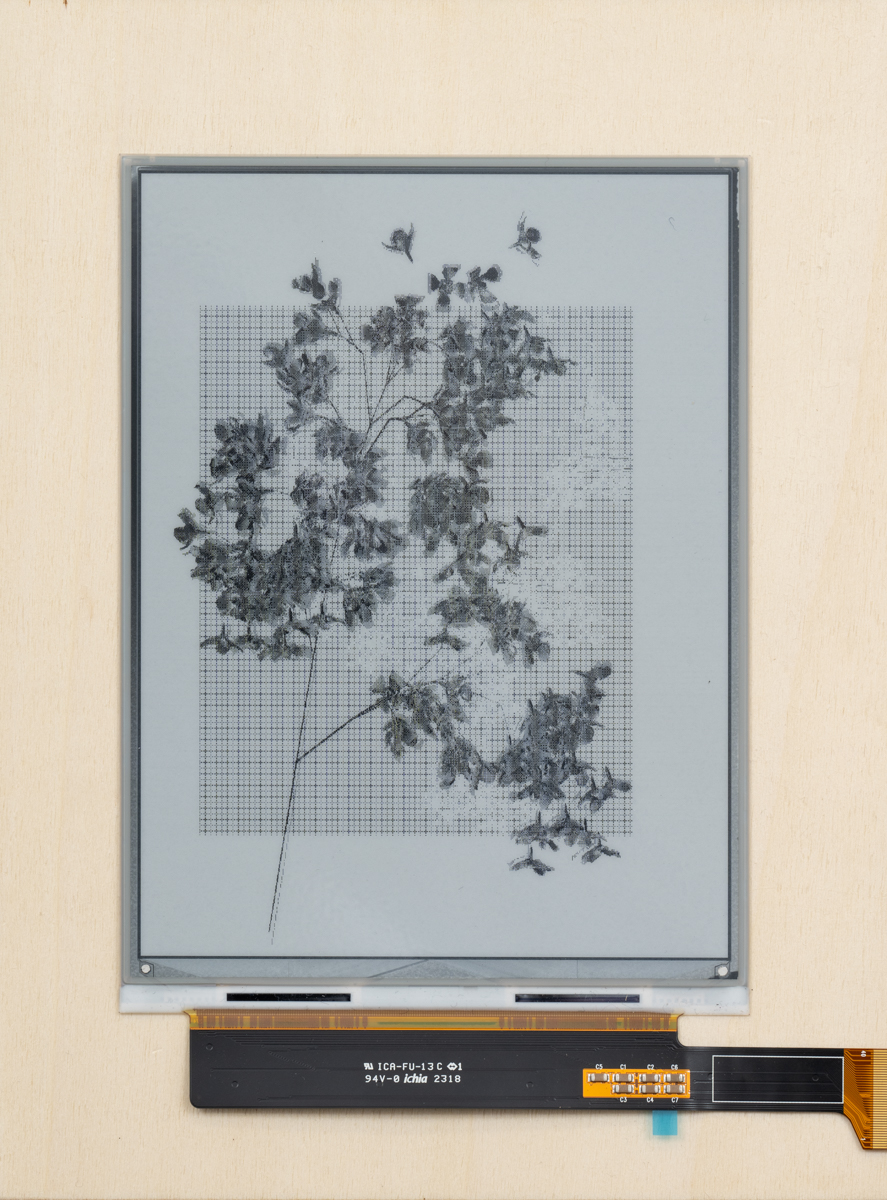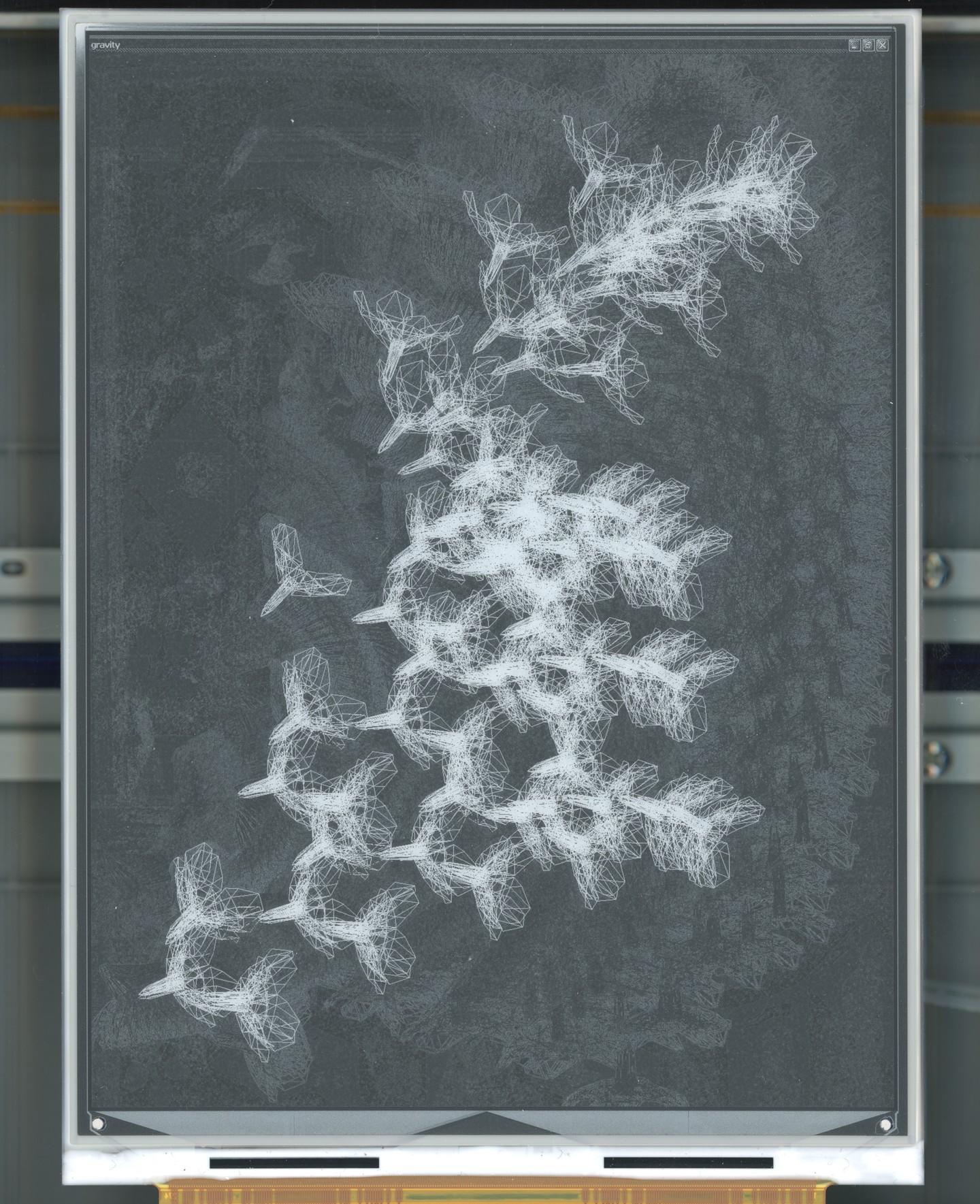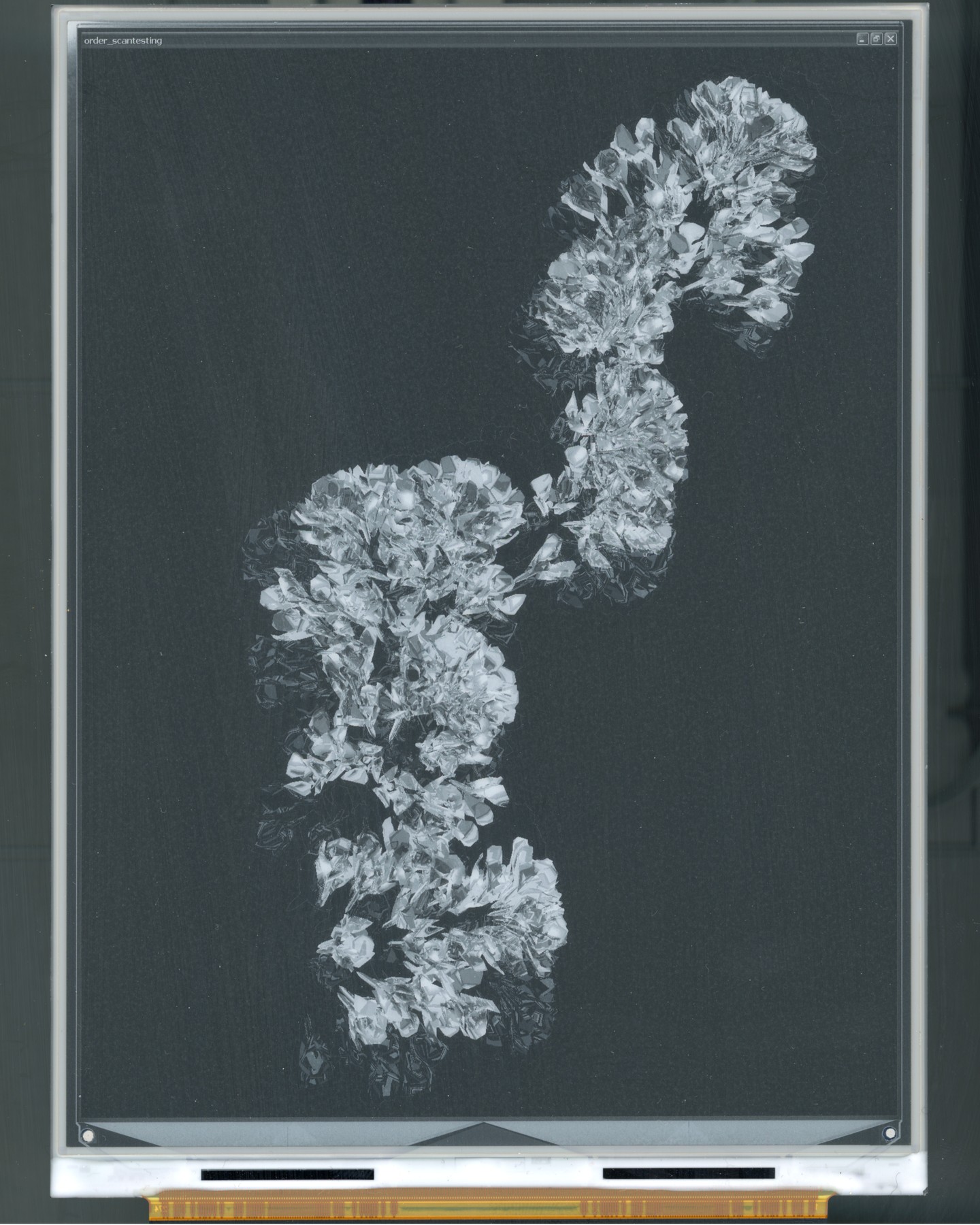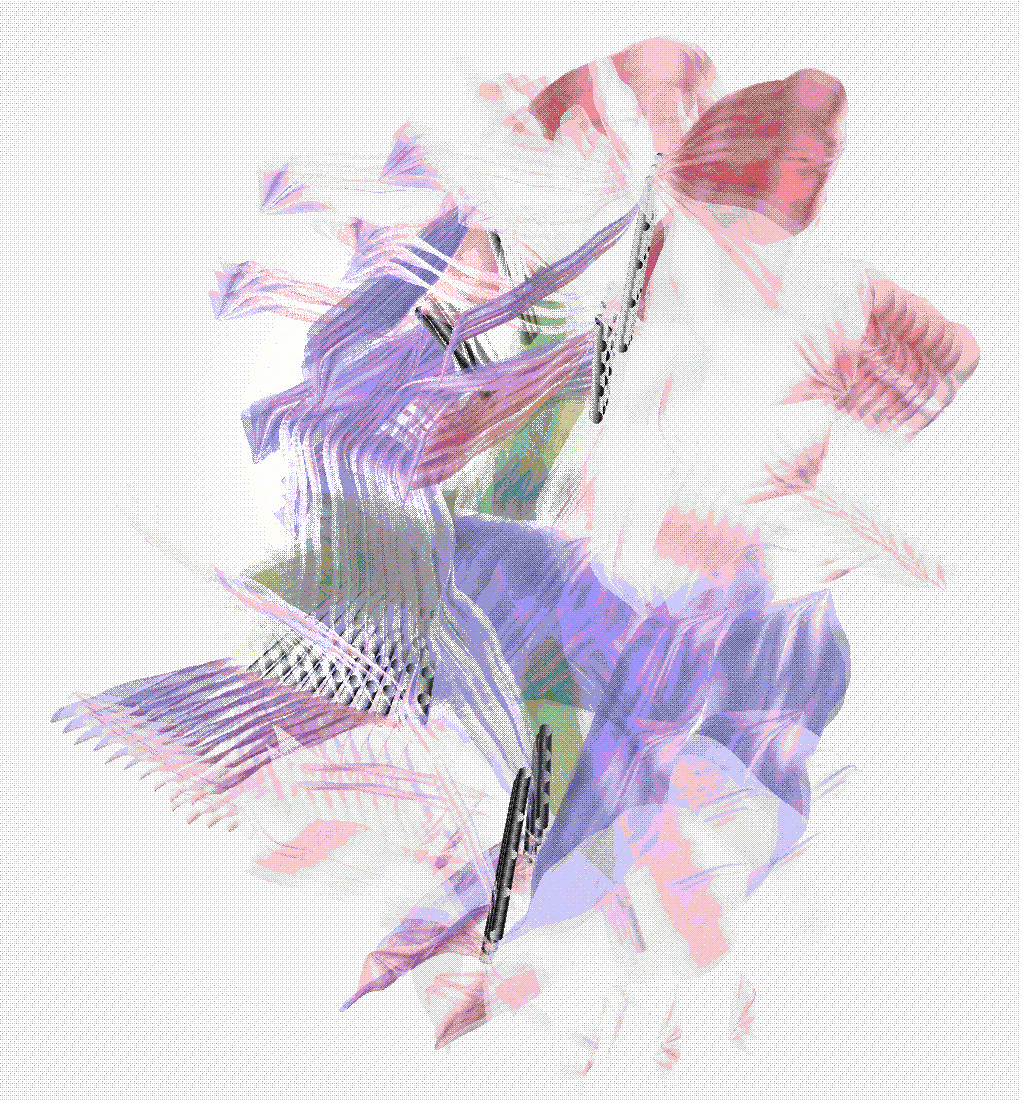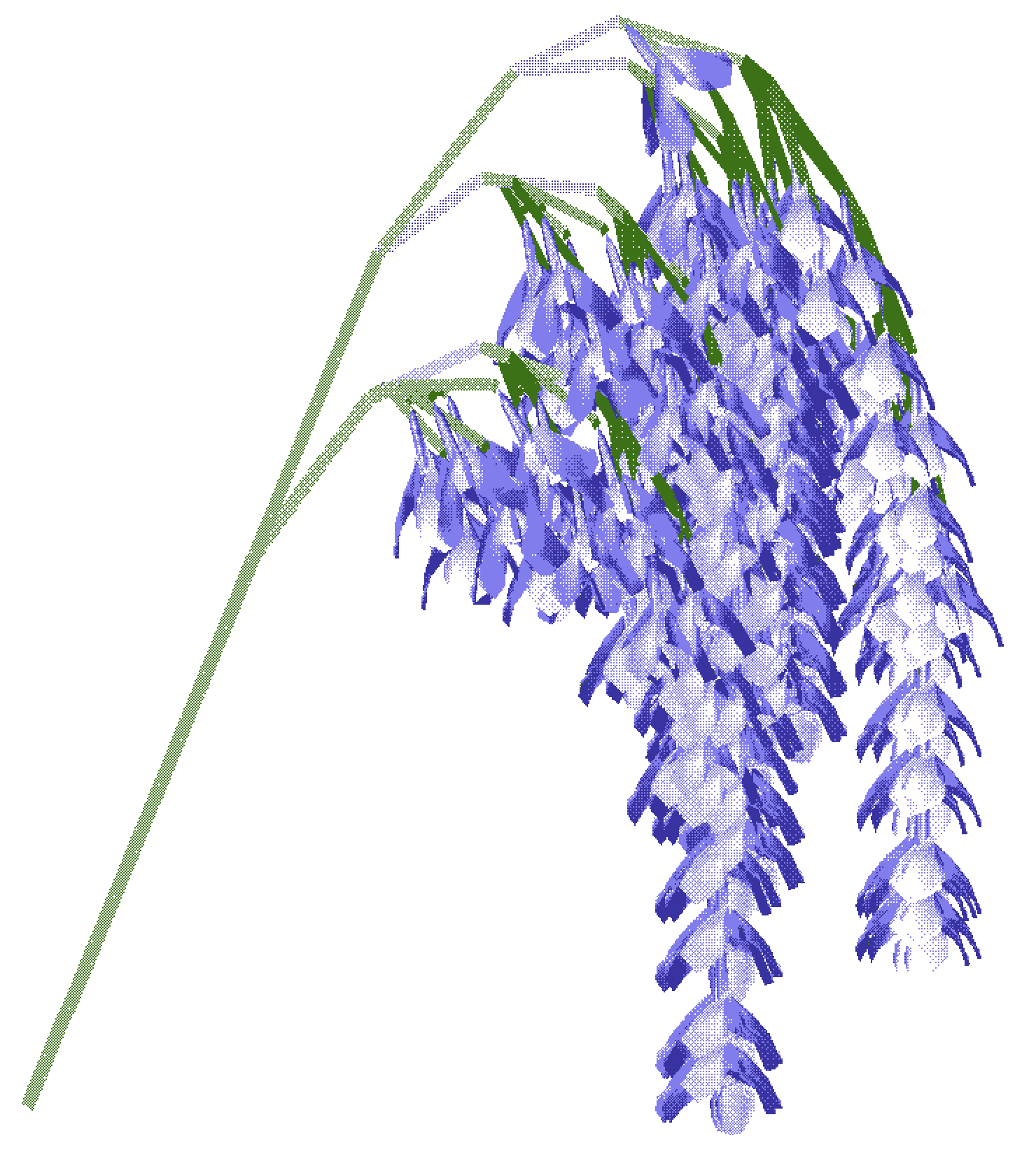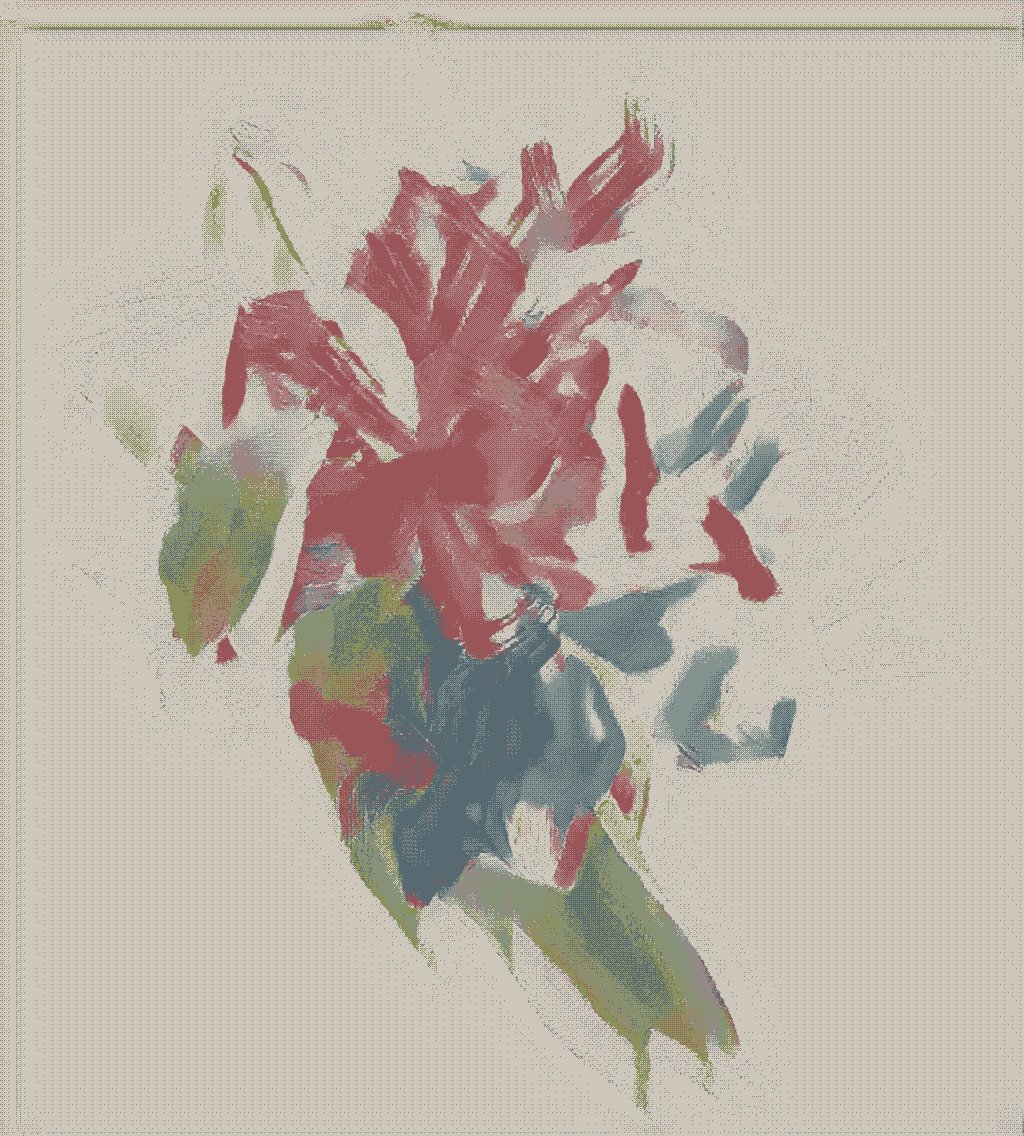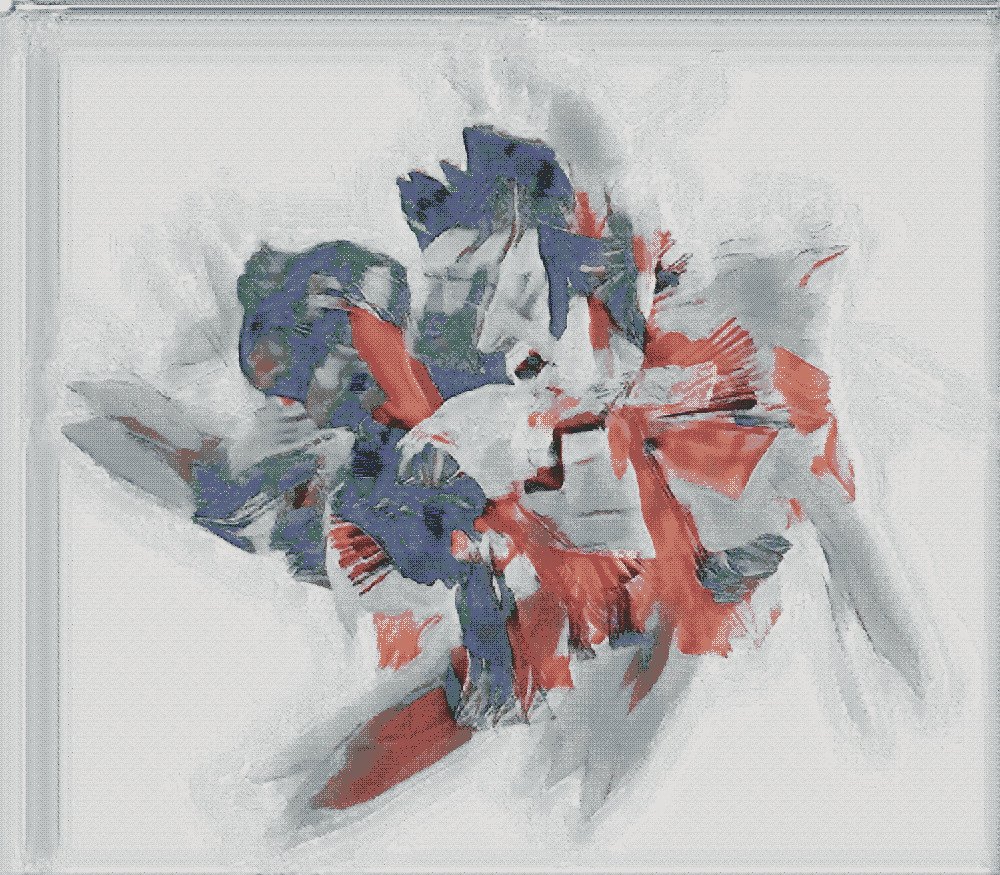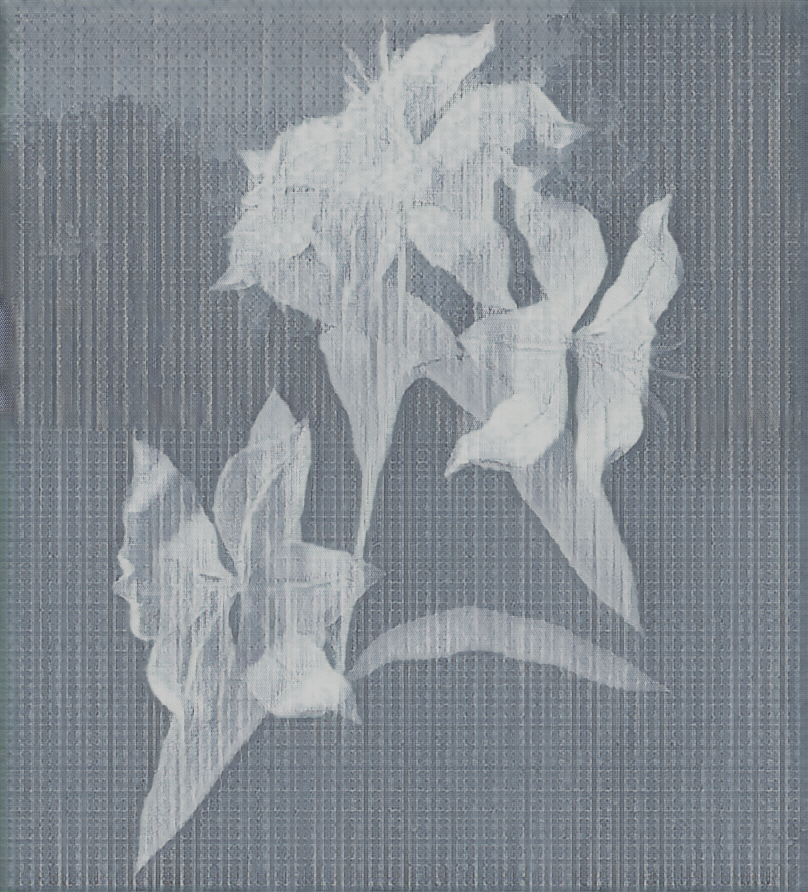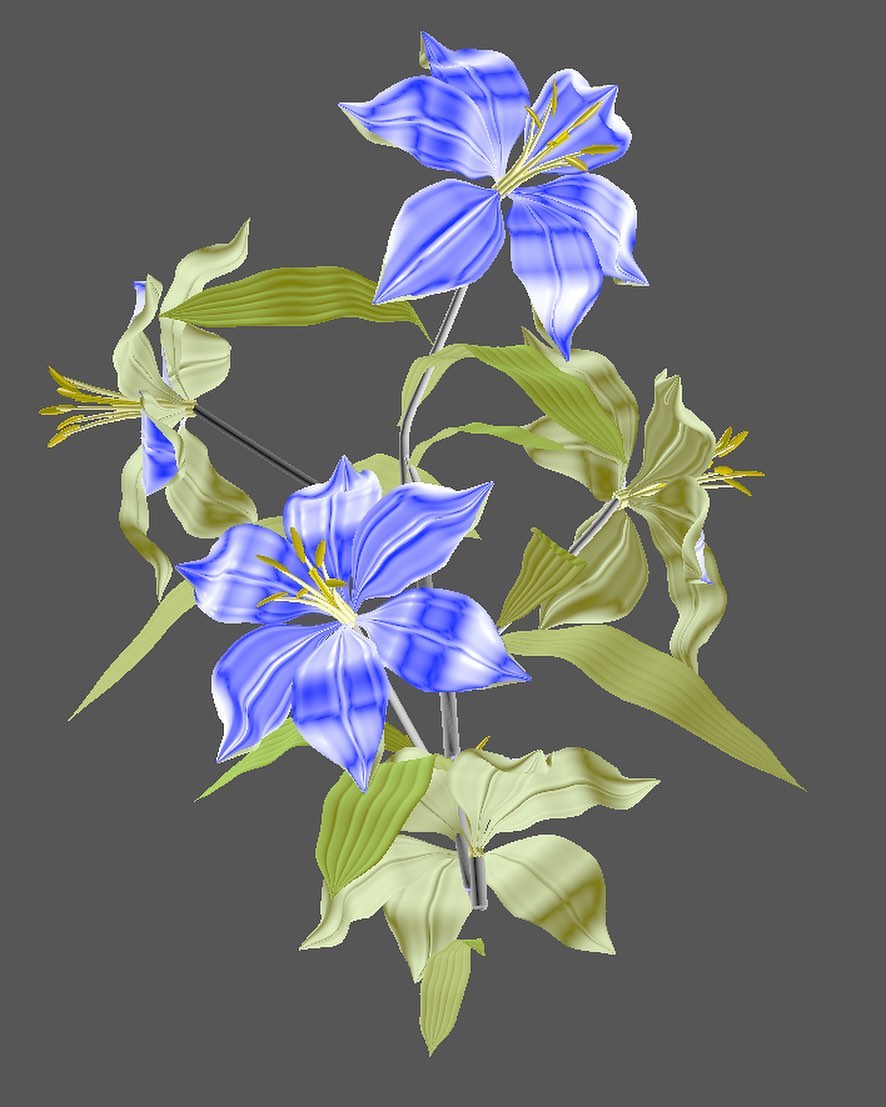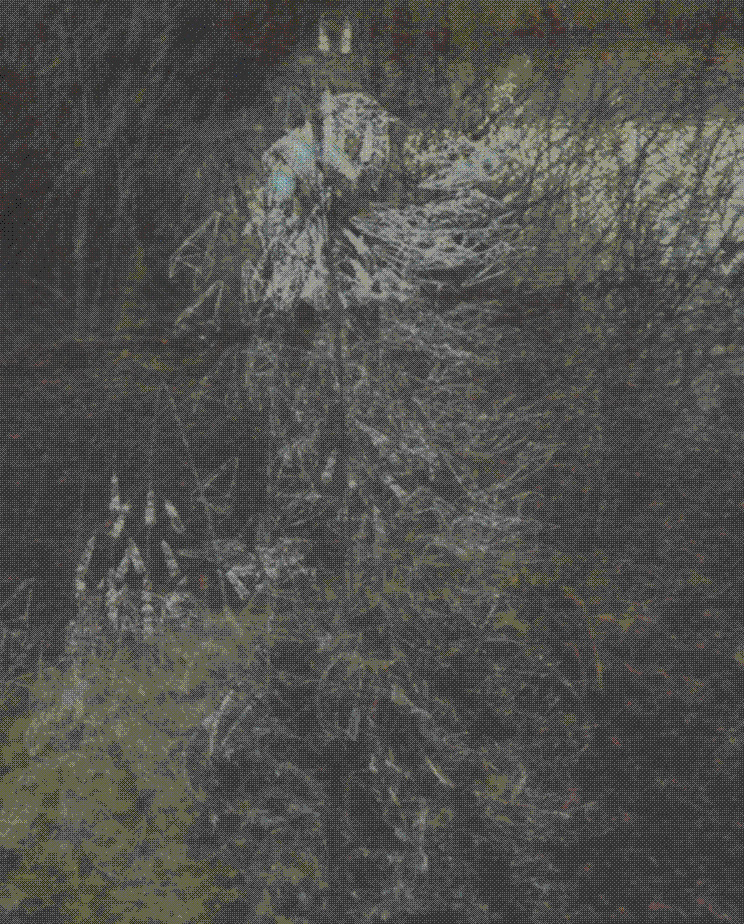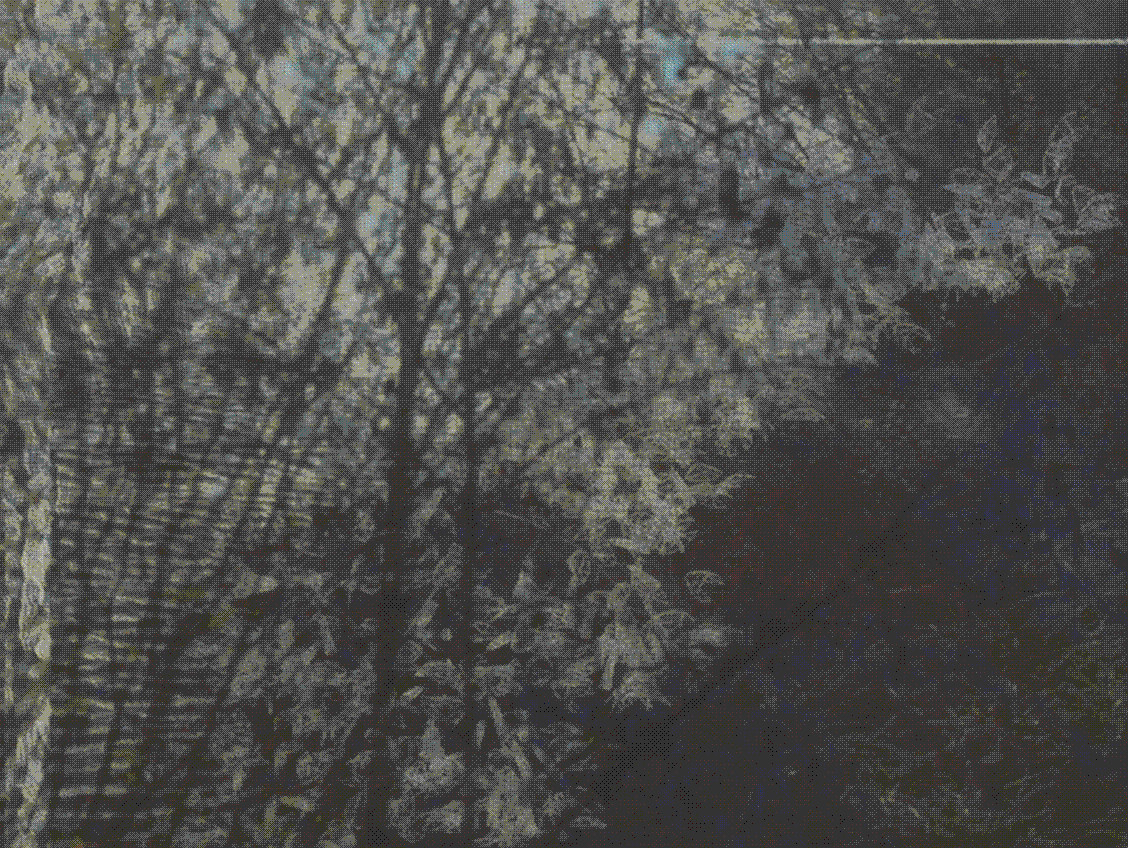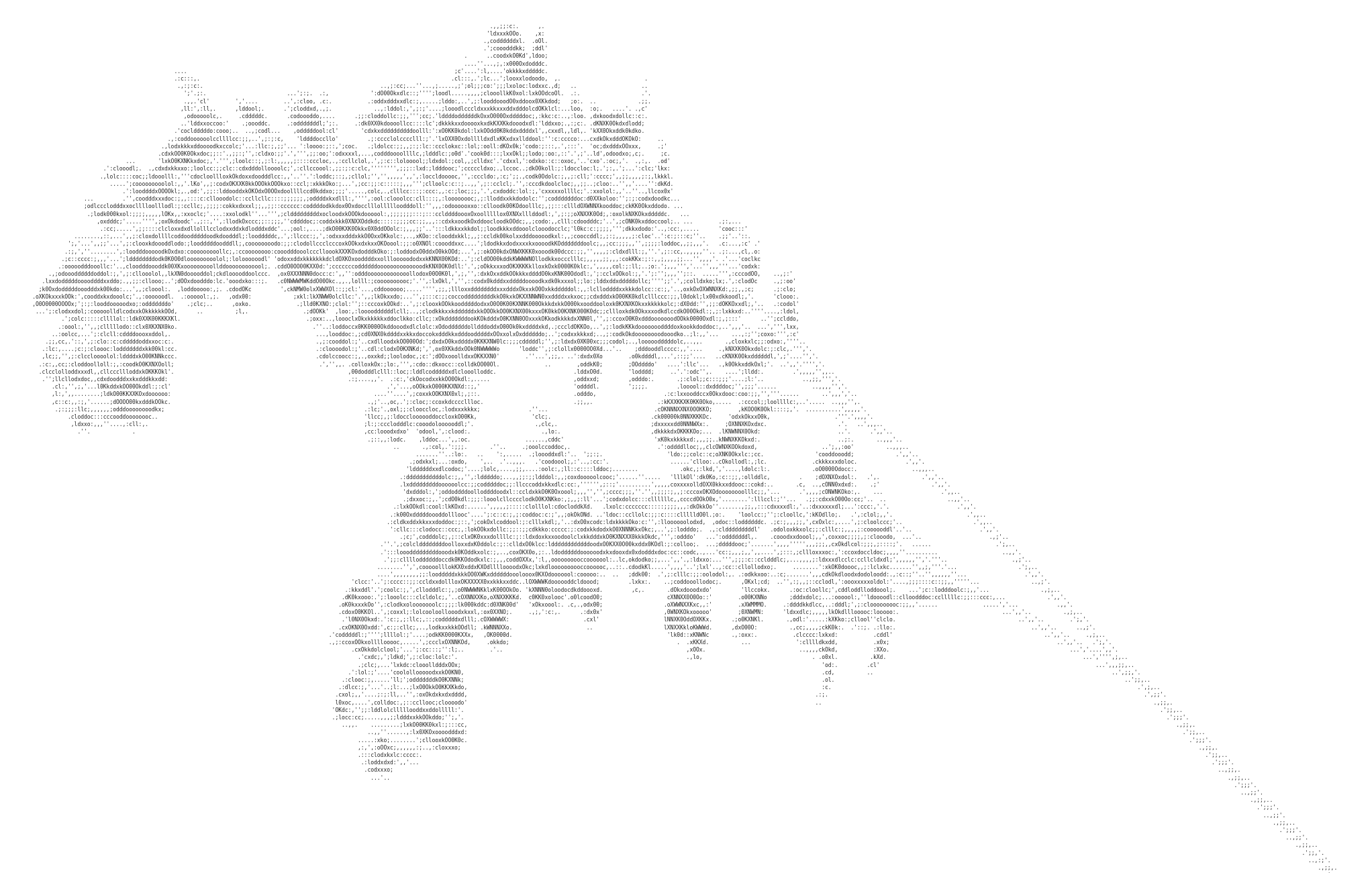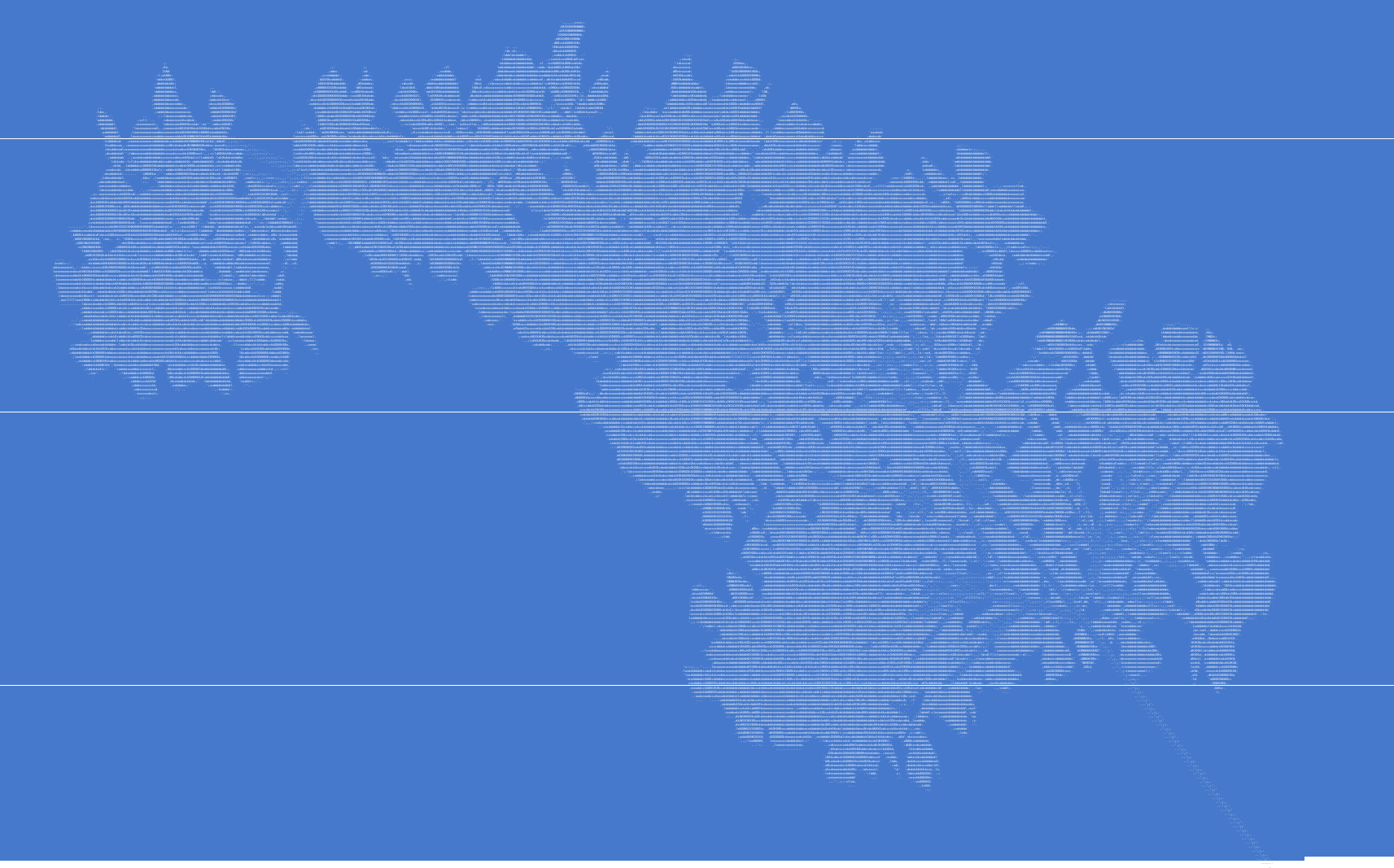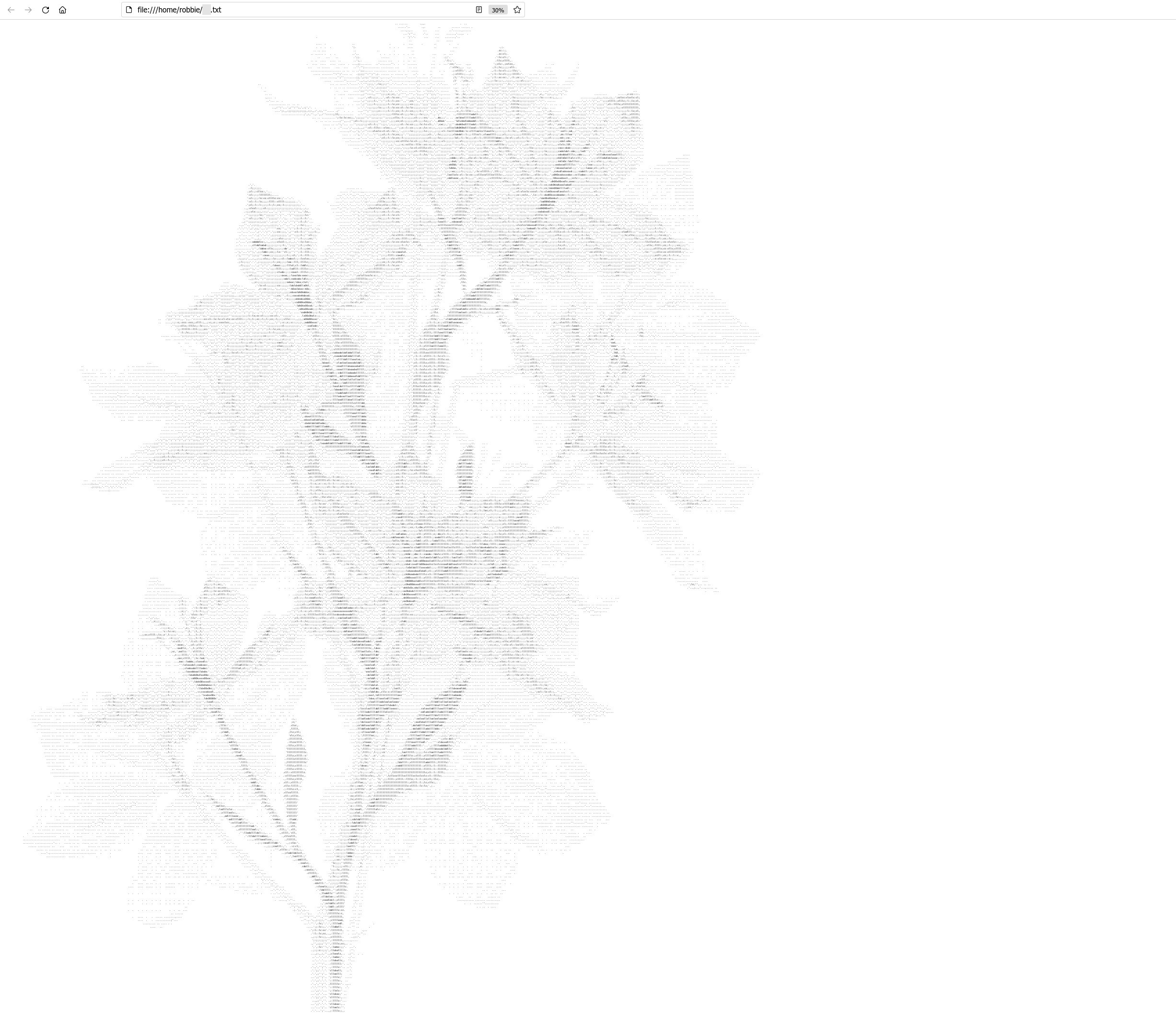
L-systems (Lindenmayer systems, named after Hungarian biologist Aristid Lindenmayer) are a type of formal language created to model the growth of plants. Originally it was used to model the behavior of plant cells, but it can also be used to model entire plants. They really are the epitome of why I'm interested in generative art, you can have such a simple set of rules that gives an incredibly lifelike result - I think that it's easy to dismiss generative/computer art as being artificial and divorced from nature but with L-systems it's easy to see that the two are very very similar. You could even say that generative art is a better suited (or at least, a similarly suited) medium for capturing nature than painting, in some cases - if we are talking about capturing the 'essence', and not just concerned with physical realism. The fact that you can use a very small set of simple rules to get such a lifelike plant; and the fact that it stems from the behavior of plant cells, really makes me think that this is getting close to something like the actual underlying rules that are followed by real plants. The fact that it is a language as well makes me think this doubly, since I believe that language underlies nature/creation ("In the beginning was the Word...", and God creating the world by language in Genesis). I just think that while making these it was nice to think about the creation of the world through language and the connection to creating images with a programming language.
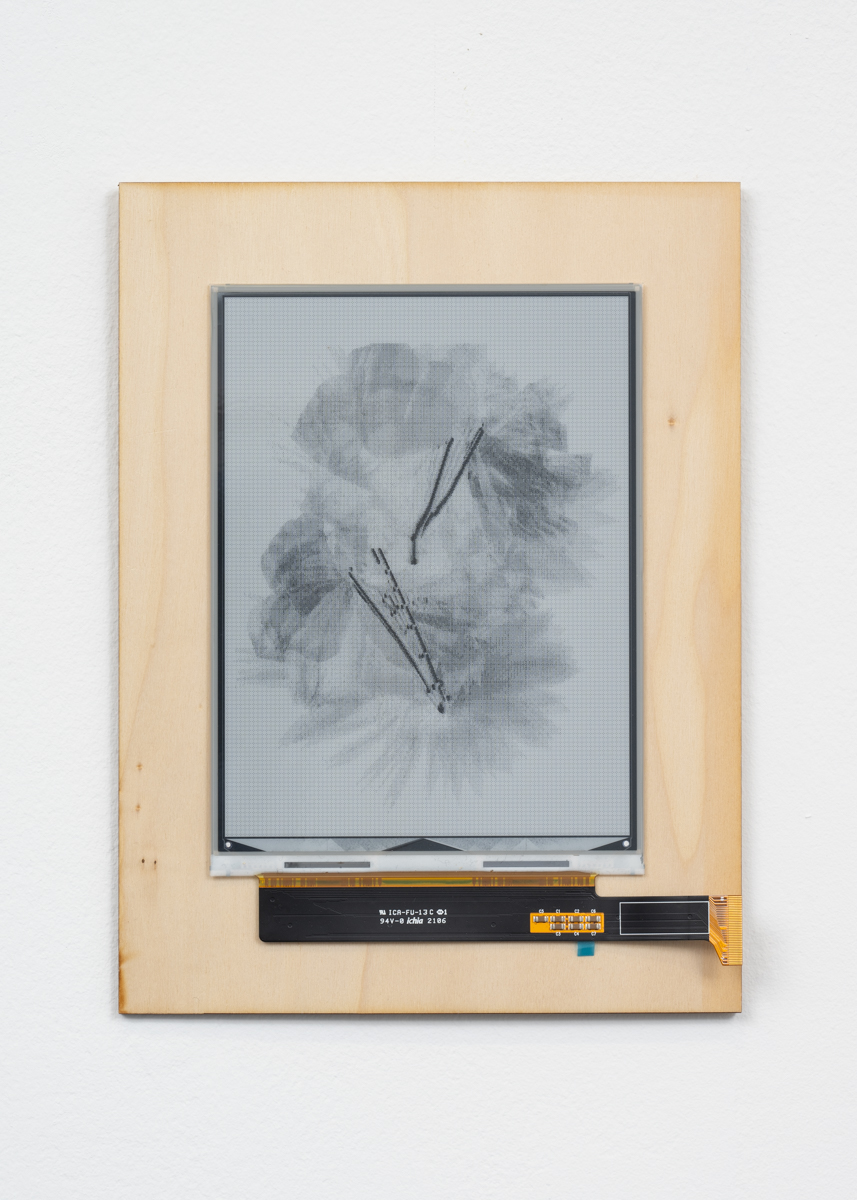
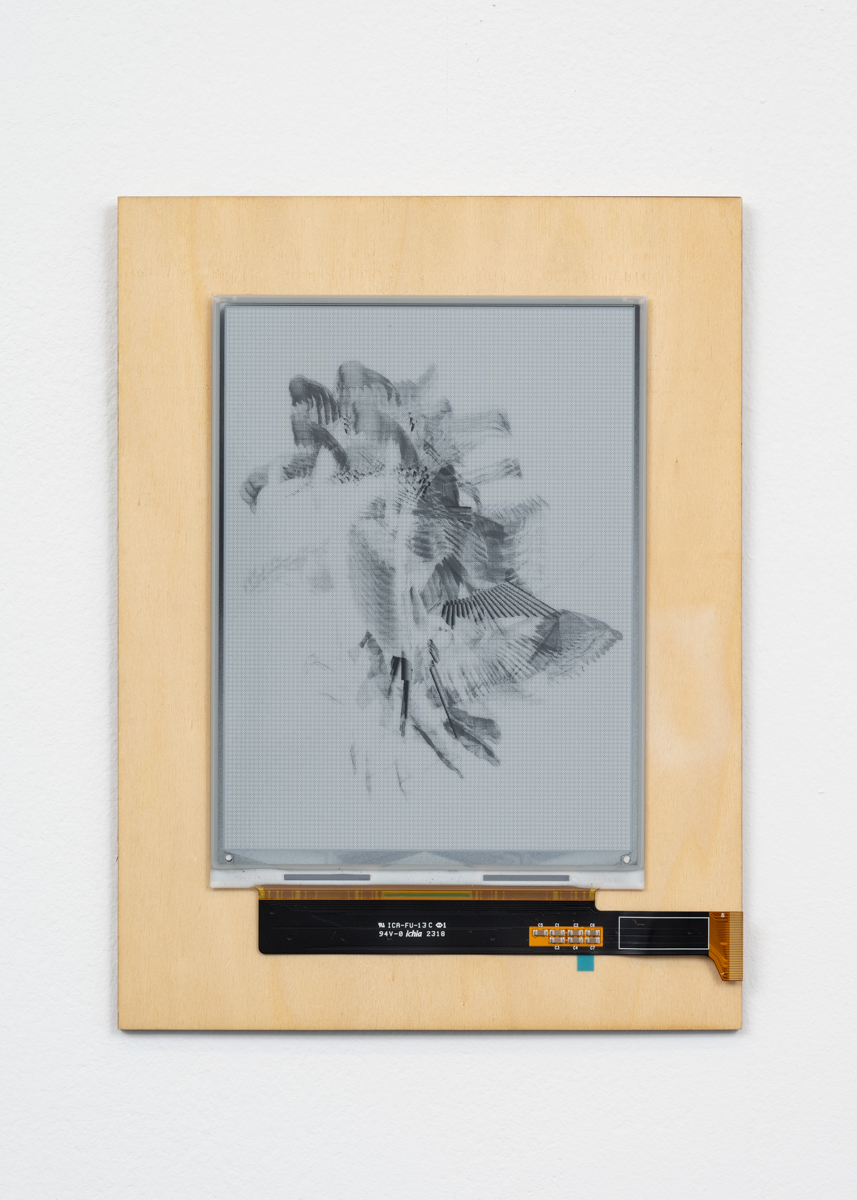
These pieces are shown on e-Ink screens (like what a kindle/e-reader screen is made out of) that have been disconnected. Since e-Ink actually involves the physical movement of ink, when these are unplugged they become frozen and the image stays on them without any electricity. It's really rare to be able to keep the digital image on a screen where it belongs, and also have it be a static physical piece that can be shown on a wall, I'm really happy about this.
The physical pieces are approximately 9 5/8 x 7 1/4 in.
All images can be clicked to enlarge.